
When does popular culture become material for art?
Popular culture becomes material for art when shared images are treated as form instead of being dismissed as subject matter beneath notice. Advertising, comics, packaging, and a face people already know are the classic cases. The passage is not completed by a song being loved. Someone has to turn that image into a decision about crop, color, and scale.
Pop art is the clearest mid-century name for the passage. The definition sits in what pop art is. The question here is a little wider: under what conditions does shared culture enter art, and where does a home decide how much of it to carry?
In later decades, character form and the designer toy stand next to the same appetite. Standing next to it is not a declaration of inheritance. What a designer toy is tells that neighborhood in its own terms. This page only distinguishes the moment when something becomes material.
An ordinary thing is also an image
Popular culture is not only posters. Things held in the hand during a day produce images too. An ice-cream cone, a toy bear, the color of a package: each is written into a period’s shared memory. Claes Oldenburg lifted such things into the bulk of sculpture and showed how the familiar becomes strange when its scale changes.
Strangeness here is not scorn. It is a second look.
Lichtenstein enlarges the comic’s own object, the printed page. Dot, contour, and balloon are the hand tools of a culture. Seeing them at the size of a painting means taking those tools seriously.
Seriousness can sit beside a refusal to belittle childhood. Material can be popular without the work becoming slight.
At home, goods are already images. A chosen figure brings one of them forward. It is worth remembering that the chosen thing may stay on the same shelf for years. A joke that belongs to a season and a silhouette that can still be read in a decade are different decisions.
Popular culture produces both. A home does not have to consume them at the same speed.
Character, and what came after
A character is the fastest unit of popular culture to recognize. People know a silhouette before they know how it was made. That speed resembles the speed of advertising and of comics. In a later generation, the designer toy carries the speed to the scale of a small sculpture.
Carrying it is not a repeat of 1960s painting. It is shared recognition continued in another material.
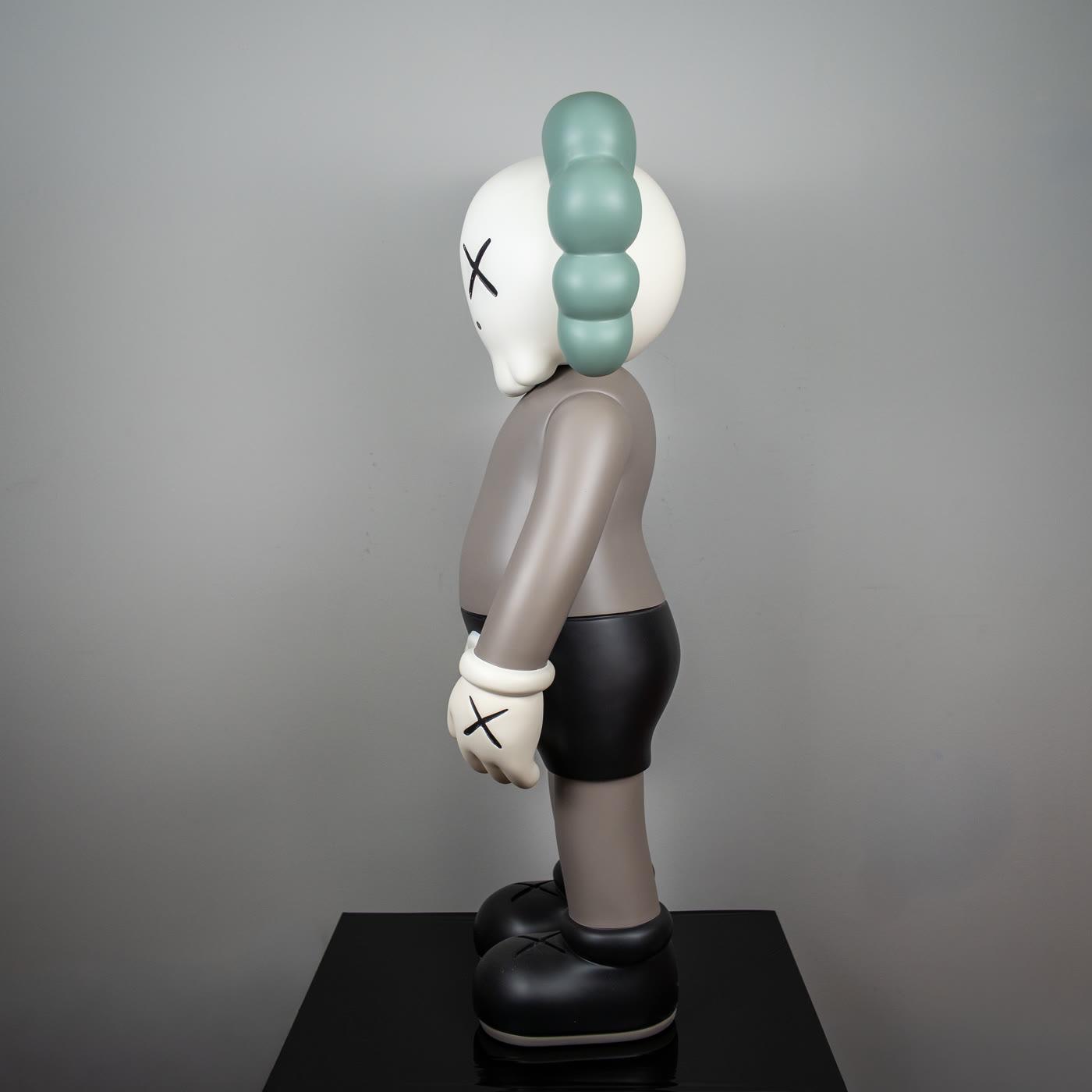
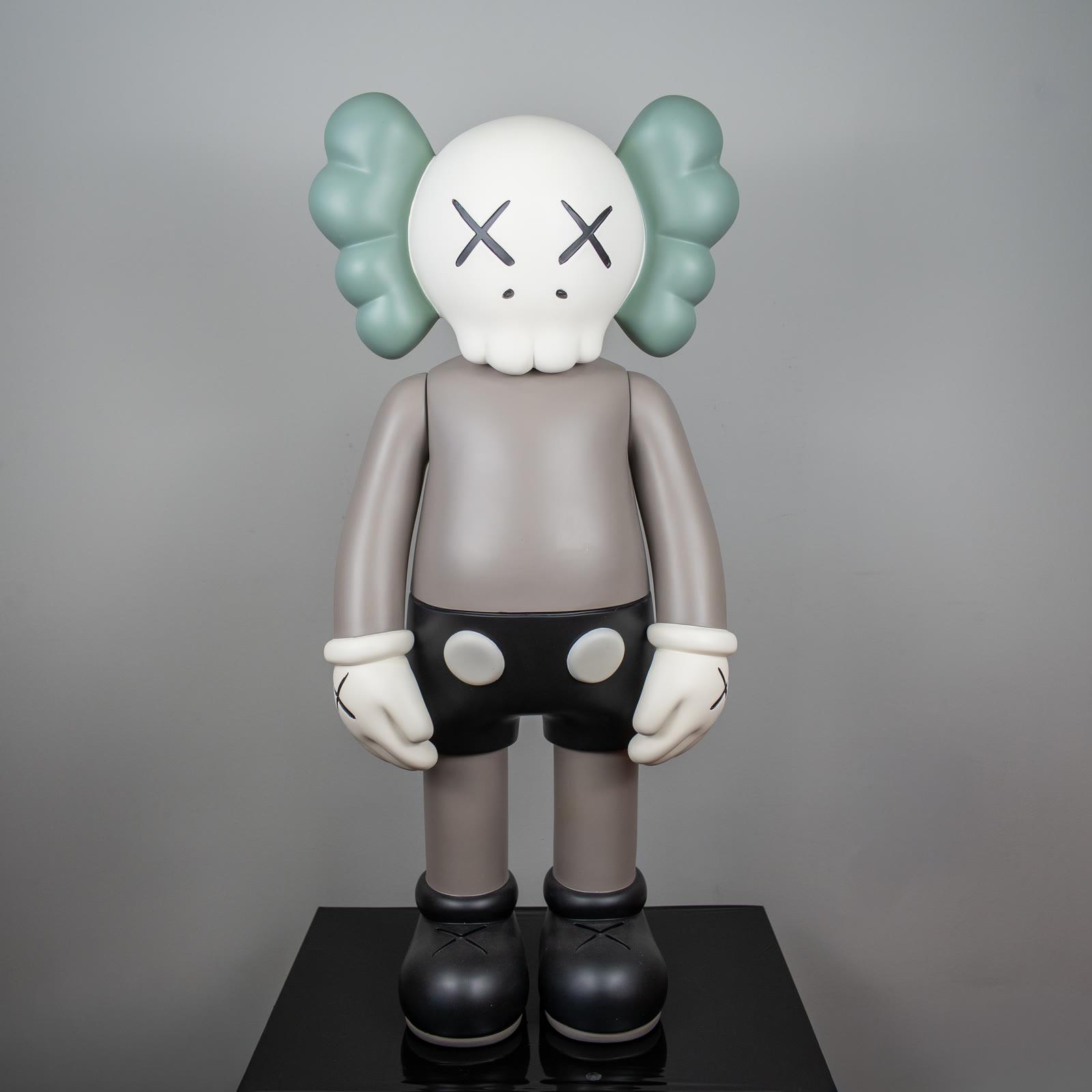
The Companion with sage ears and a taupe body is a quiet state of that recognition. The ear color is a narrow accent. The body behaves like a neutral ground. The gesture is small.
The character is read by standing, not by shouting. The stance is a reminder that popular culture does not always have to be loud.
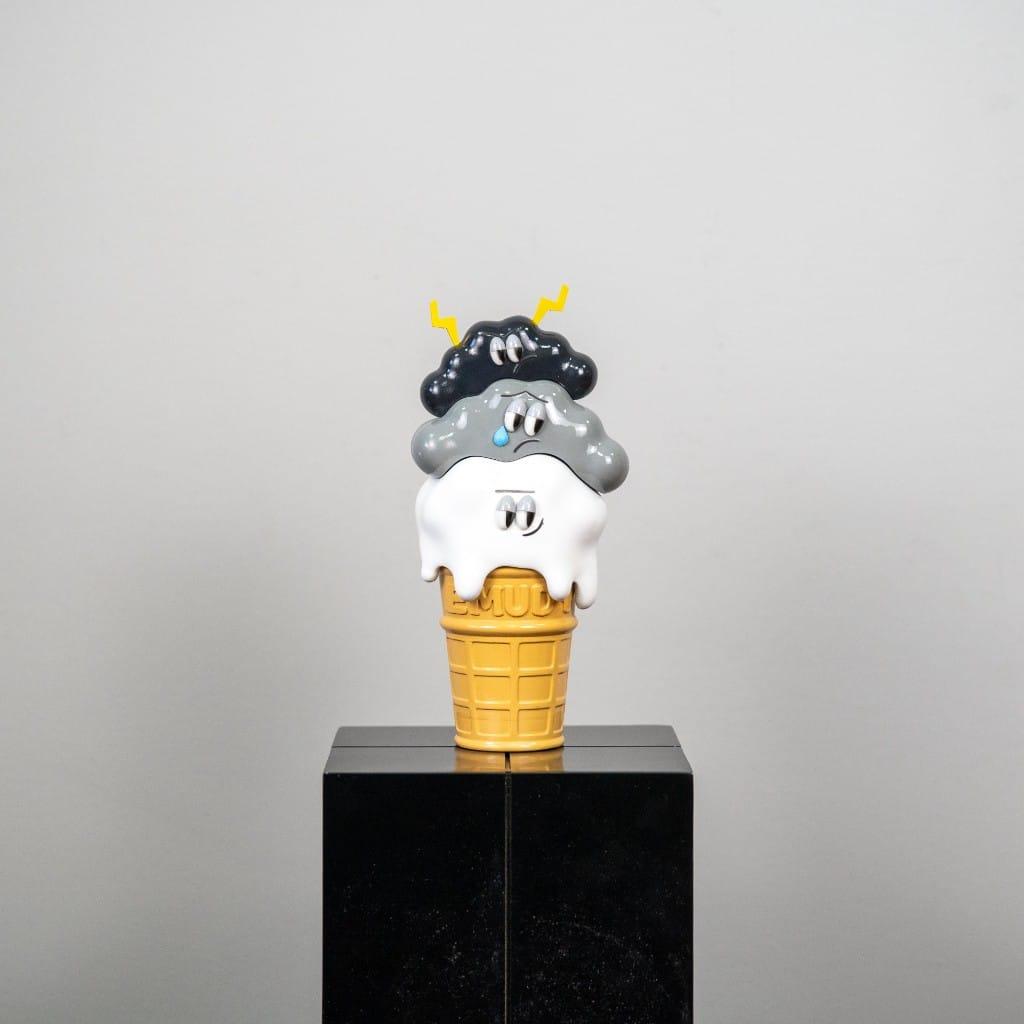
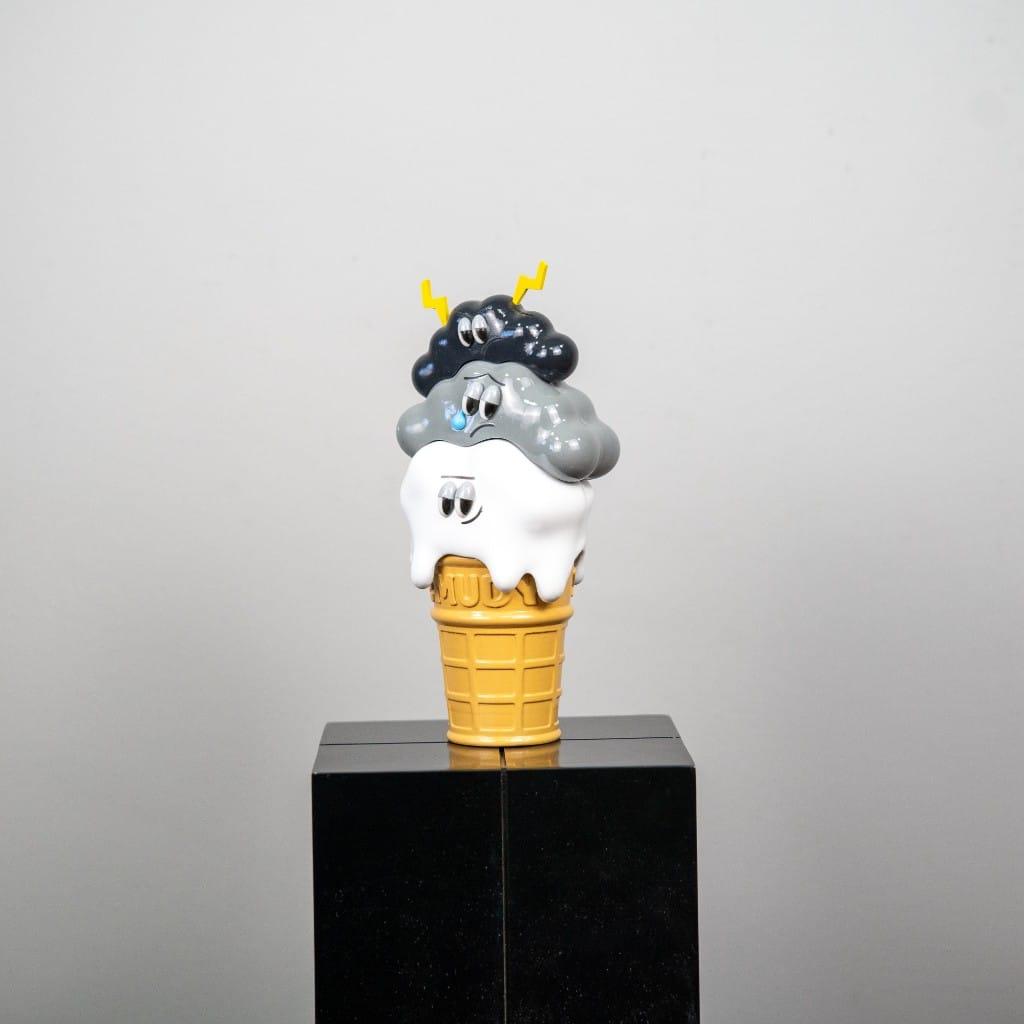
The EMUDY Cloud Cone comes from another shared good, the ice-cream cone. The faces sit like a short sequence of moods. The pleasure is open. Openness does not require the shelf to become a sweet shop.
The two objects are two doors: character, and ordinary delight. The designer-toy selection leaves those doors side by side in the catalog.
Mix-ups about seriousness
The first mix-up says what is popular cannot be serious. Hamilton’s collage, Warhol’s cans, and Lichtenstein’s panels build their seriousness precisely by insisting on what everyone already knows. Seriousness here is not a furrowed brow.
It is responsibility for crop and for repeat. There is no rule that familiar material makes the decision slight.
The second mix-up treats the use of a known image as automatically empty. The source is in plain view. The work is in choosing it and in leaving its circulation visible. The third mix-up says art drawn from popular culture is only nostalgia.
Nostalgia can be a feeling. The method also works without waiting for the feeling. Packaging is still on the shelf. The comic is still a language of print.
The fourth mix-up declares every character figure at home a piece of that history. A figure can use shared recognition. That use is not an art-historical verdict.
You can be a good neighbor without issuing a verdict. Good neighboring means the silhouette stays readable in the room and does not dissolve into the noise of a season.
A reference you can live with
When you choose a piece of popular culture for a home, ask whether you actually want the reference. Comic energy, a calm character, and the cheer of an ice-cream cone do not do the same job on one shelf. Choosing one does not make the others less legitimate. Letting all of them speak in the same glance turns the shared image back into noise.
To tell what will still be readable in years, keep the figure in mind for a week. If the joke is over on the first day, it is a seasonal object. If the silhouette is as clear on the tenth day as on the first, it is a reference you can live with. The Companion sits nearer that second group.
The Cloud Cone keeps pleasure in the open. Both are legitimate. They do not have to share a console.
A plain surround lets the reference be read. The essay on designer toys tells the culture of these objects on its own terms. The pop art page separates pieces that sit closer to the historical language. The practical rule is short: a silhouette you recognize, a quiet ground, and a form you can still look at without waiting for the next season.
A short closing
Popular culture finds its place in art when a shared image becomes the material of a decision. Advertising, comics, and ordinary goods are the classic state of that material. Character form continues the same recognition at a later scale.
The definition and the Warhol page hold the history. The designer-toy page opens the later door. At home, a silhouette you can read for years is the calmest summary of this wide subject. What is shared does not have to be loud.