
Where does a collection start?
A collection starts from a single surface you will still want to look at in a year, not from the picture of a wall of figures. The block bear’s silhouette is fixed: a cylindrical torso, round ears, a simple face, block limbs. What changes is what the color and the finish will do in your room. The first piece is enough to teach that change.
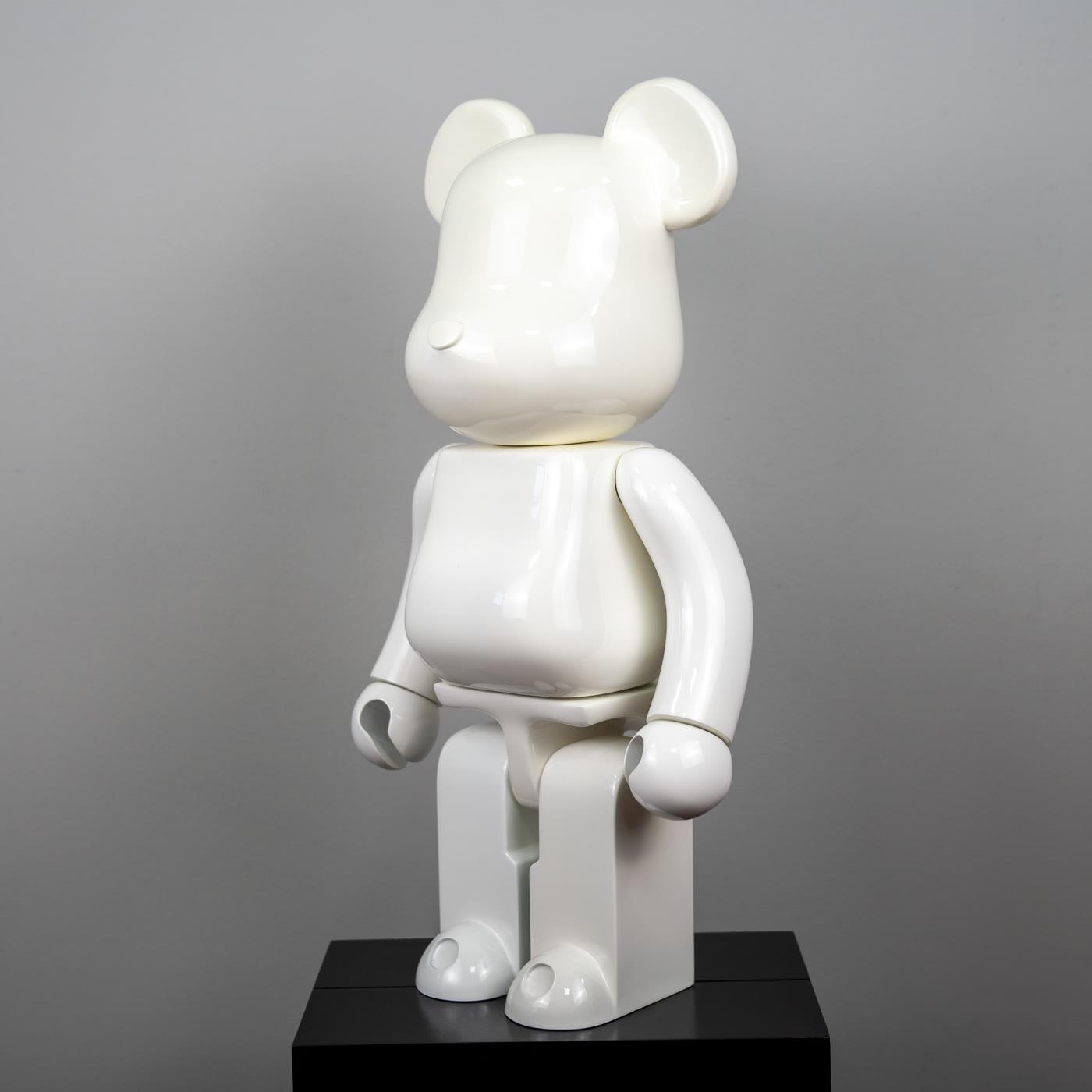
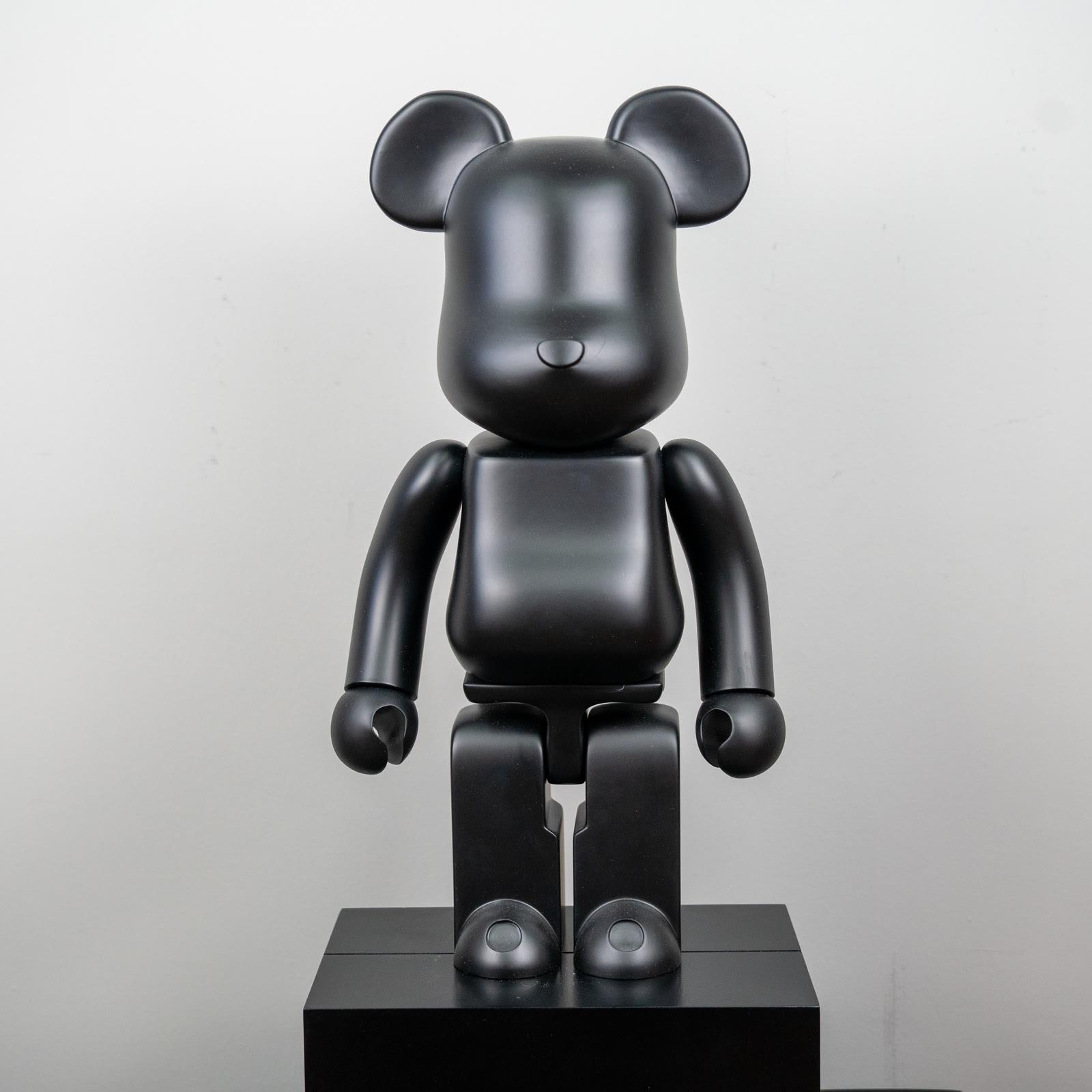
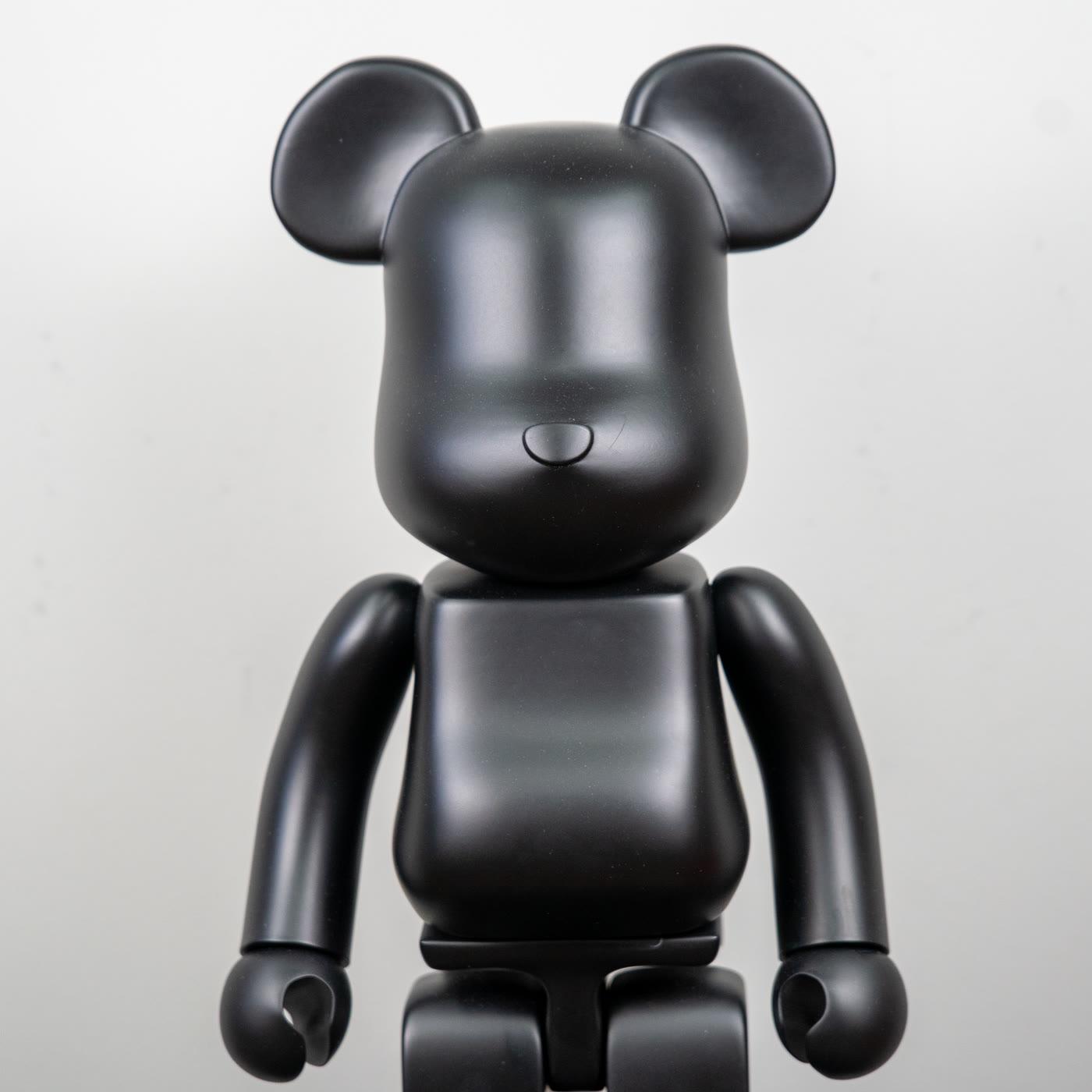
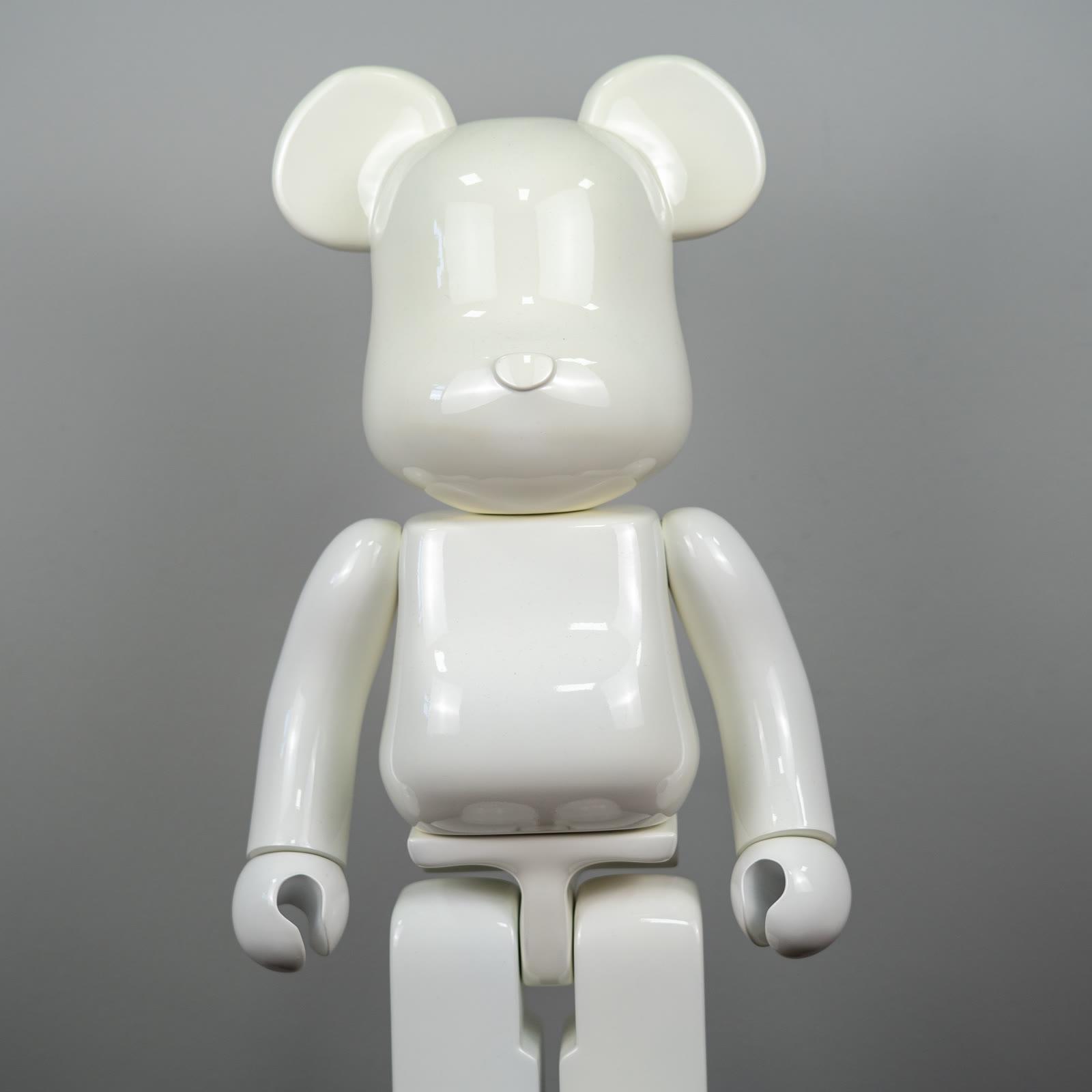
The name BE@RBRICK belongs to the figure Medicom Toy introduced in 2001. The Popüler Sanat catalog does not offer an official series under that name. The glossy white bear figure and the matte black bear figure are two lessons in finish. One gives light back. The other stays in shadow. They are not packed as a starter set. Thought about side by side, the difference is read more quickly.
A wider frame sits in starting a collection. Here the subject is the first step particular to the bear form. The step is not chasing rarity. It is learning the gap, the light, and the hand, and only then thinking about a second piece.
Why should the first question be the room?
The first question should be the room because a figure chosen larger than its gap crushes the silhouette, and one chosen smaller disappears. A desktop, a shelf, a console, and the floor do not do the same job. Watching the empty spot for a day, before you begin, says more than scrolling ten figures on a screen.
In Medicom’s published system, 100% is 70 mm, 400% is 280 mm, and 1000% is 700 mm. Other percentages exist. These numbers are not the height of your first piece. The size system holds the way to translate numbers into a room. Catalog images are not called by these three names.
Asking about the room does not belittle taste. Glossy white stands like sculpture on a light wall and can go grey in a dark corner. Matte black sits dense on a light surface and disappears inside a dark bookcase. The same form behaves like another object in the wrong neighborhood. The first purchase is the least costly lesson in that neighborhood. Cost here does not mean price. It means learning with one piece.
Why does finish come before color?
Finish comes before color because the same white builds a different light when it is matte or glossy. A glossy surface carries a highlight, shows a fingerprint, and takes the room’s window into itself. A matte surface drinks the color, lets the gaps between joints be read as shadow, and wants less reflection. The color name can stay the same while the room changes.
On a first figure, a plain finish trains the eye. White and black show the form without the noise of pattern. Liking a patterned surface is legitimate. Leaving it for the second or third piece lets the first piece finish its lesson in silhouette. A shelf filled in a hurry shows no finish completely.
Finish can also be rehearsed in place. Set a glossy object on the spot at the hour the figure would stand there, and see where the reflection comes from. A matte cloth or a dark book tells how the shadow falls. That small rehearsal turns the studio emptiness of a product photograph into the real light of the home.
Why does a single mark not carry proof?
A single mark does not carry proof because a logo on the foot, a box, or a hologram does not, on its own, tell the production of a piece. One of these marks can be missing, one can be extra, and one can have arrived from another context. Identity is not built by looking at a single point. The maker’s records and current account are what count.
At the beginning this subject arrives in a hurry, because the first excitement wants to be confirmed. Confirmation does not fit a checklist learned in a rush. When buying a figure holds the wider questions to ask. What is particular to the bear form is this: because the silhouette is familiar, the piece can look more official than it is. Familiarity is not a document.
When you take a Popüler Sanat piece, the expectation is kept plain from the start. A catalog figure is decorative. That sentence is not a subtraction. It is a frame that eases the choice. If the frame is clear, the romance of a box does not run the decision.
When is a second piece considered?
A second piece is considered after the first has stayed in the same place for a while and you still want to look. A week is short. A season is long. A few evenings in which the light changes are enough between them. If you are bored with the figure, the problem may be the place as well as the piece. Buying a second one without moving the first doubles the mistake.
The second piece does not have to be the opposite of the first. Setting glossy white beside matte black builds a lesson. You cannot build the same lesson by immediately adding a patterned one beside the first. Contrast is more readable between two plain finishes. Pattern can be a third sentence after this pair has settled.
Increasing the count is not a collection. Pieces forced to the same height, crowded onto the same shelf, cutting one another’s ears, become a pile. A second piece is taken only if it can stand without narrowing the first piece’s air. The collection page shows the bear form together with other sculpture and recalls what that air looks like.
Which impulses mislead at the start?
The first impulse is to begin with the largest height. On Medicom’s chart, 1000% is 700 mm, and inside a room it takes space like a small piece of furniture. That height wants a path, a plinth, and light. If those are not ready, a large mass becomes the cramped version of a form you like. Large is not the more correct one.
The second impulse is to complete a full series. Three colors, three heights, three patterns do not have to be finished in the first month. A series grows by looking. A set that looks complete in a photograph is usually early at home. An early set means pieces that are later taken out.
The third impulse is to bind the first piece to a sentence about value. This article does not say the price will rise, or that the piece will earn if it is kept. It says the first figure builds a habit of looking. If the habit is not built, the second piece goes quiet on the shelf too. The Bearbrick selection is for comparing color without hurrying that habit.
How do you set a calm order for the first month?
The first month is set like this. Choose the place that will stand empty and mark its height. Try, with paper, what 7 cm, 28 cm, and 70 cm would do there. Then choose a single finish: glossy white, which likes light, or matte black, which stays in shadow. Ask the piece for its own size, without assuming a percentage. Put it in place and leave it alone for a few evenings.
Two limits stand beside this order. A single logo, box, or hologram does not stand in for identity. The limits look as if they slow the choice. They reduce the regret of the second week. Contact is there for a practical question such as availability. The decision itself is made in the room, by looking.
A collection is not an accumulation of names. It is learning how the same silhouette stands in your light. One piece gives that lesson. The rest earns the name of a collection if it is added without breaking the lesson.