
Display is a distance for looking
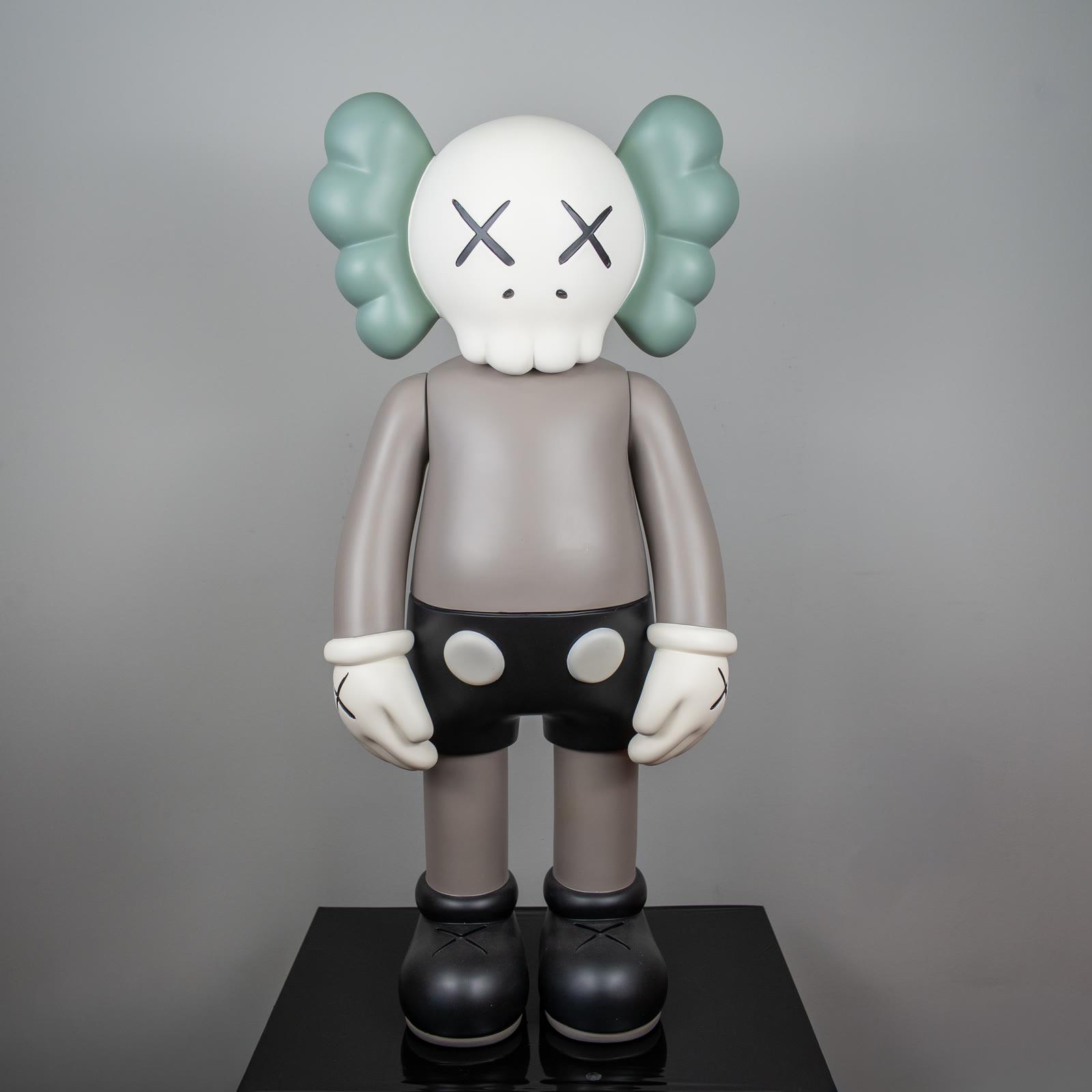
To display a KAWS object is to build a distance at which the figure can finish its own sentence. From far away the Companion reads as a rounded head, X-shaped eyes, gloves, shorts, and boots. From close up the same parts become a system. Distance should make both readings possible. Pressing the figure against the eye smothers the system. Pushing it into the farthest corner turns the silhouette into a blot. A good distance is the interval where the roundness of the head is clear and the mark on the glove can still be told apart. The interval is not announced in centimetres. It ends where the eye relaxes.
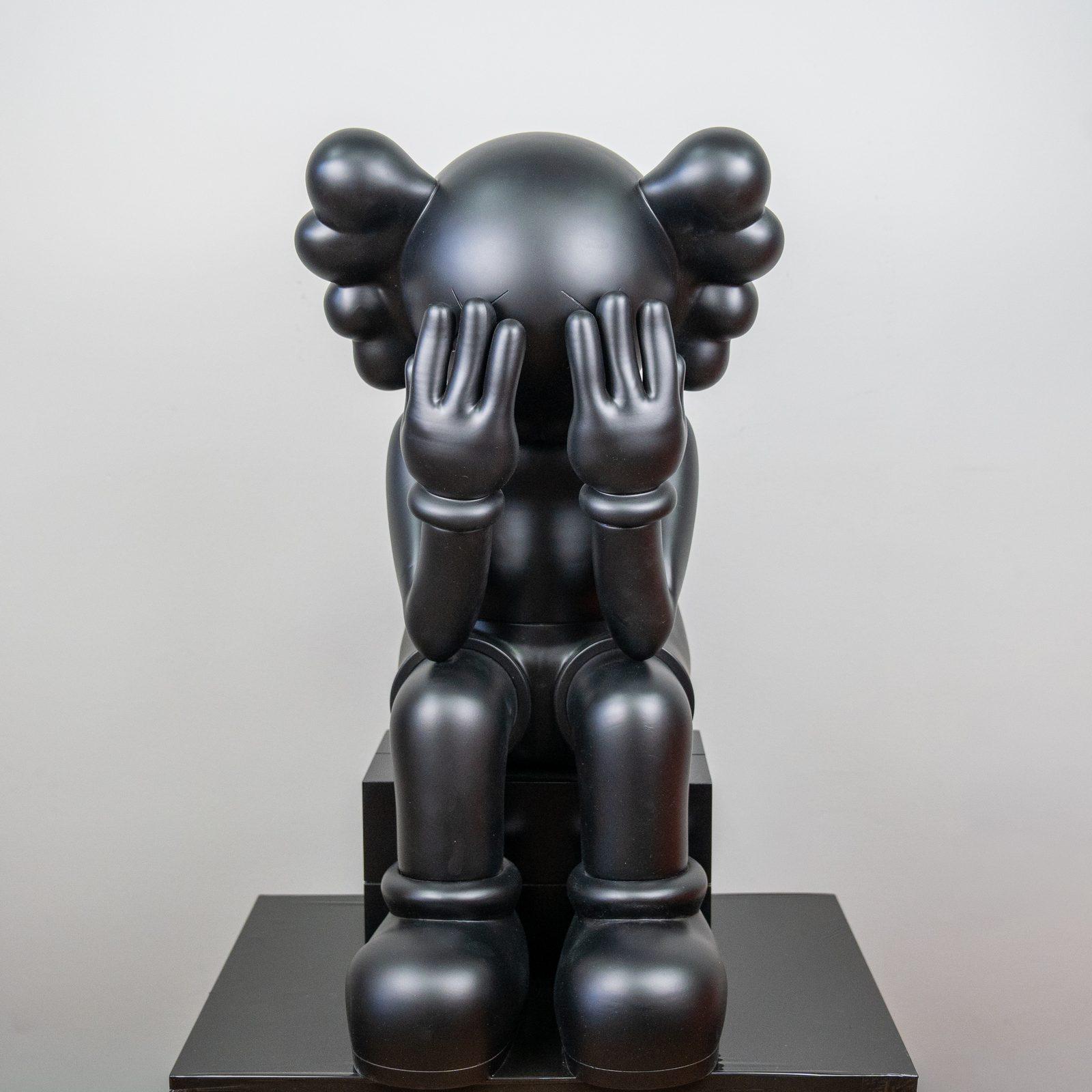
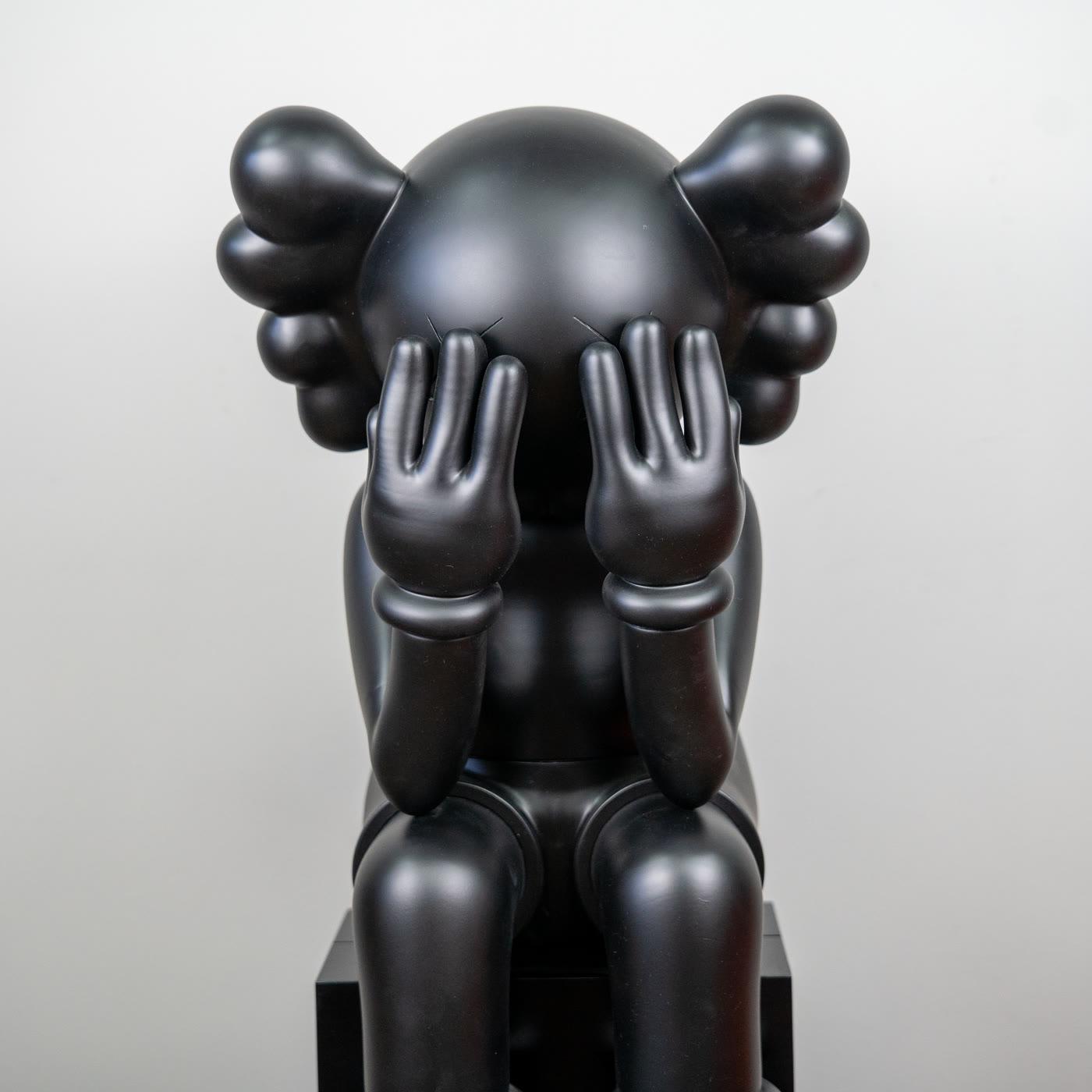
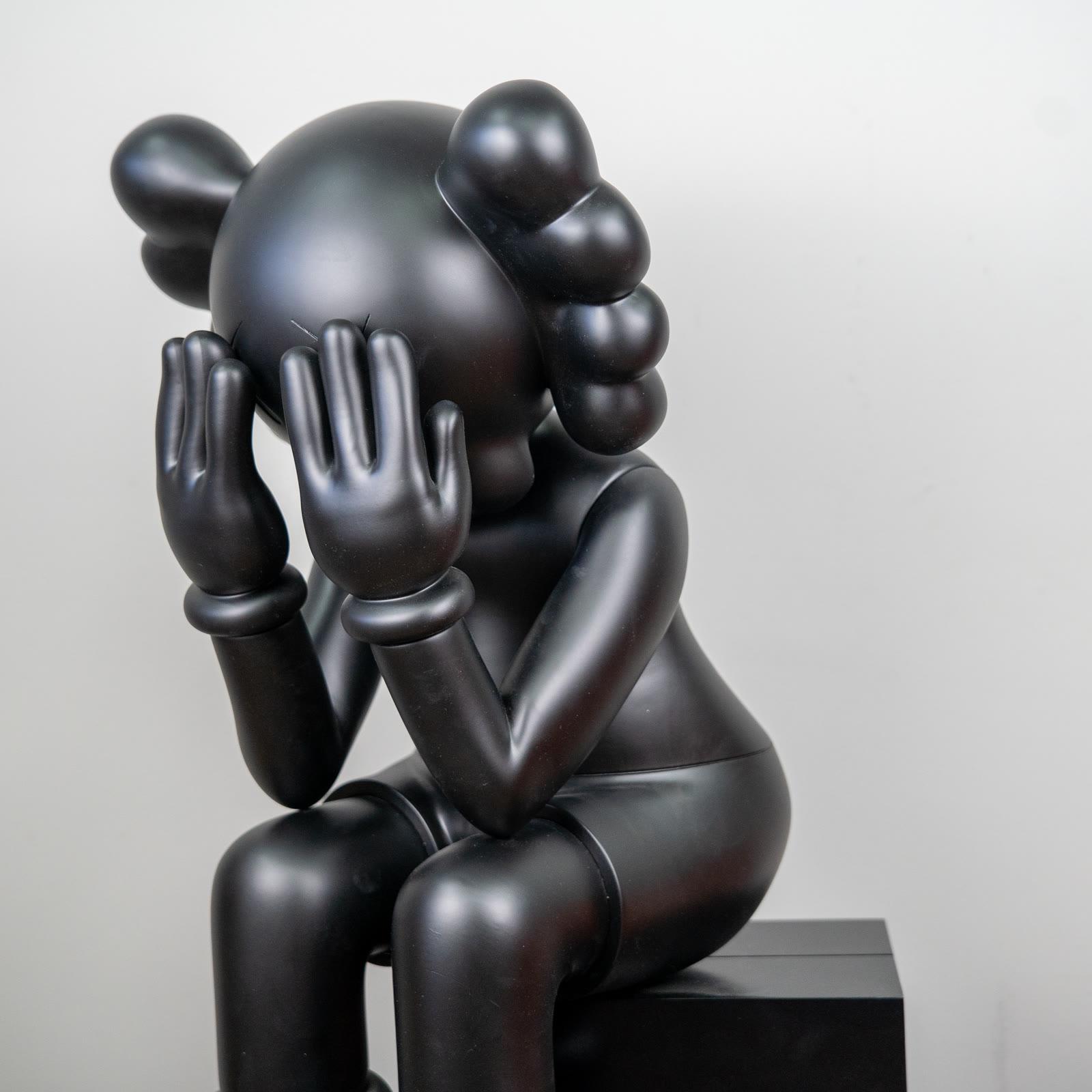
Ways of displaying is a wider frame for any object. With KAWS, the frame follows the character's plainness. The face has already been reduced. The display should reduce too. Plinth upon plinth, label upon label, turns the figure into a fair stand. At home a label is unnecessary. What is necessary is an emptiness in which you can stand in front of the figure and step back. In the Passing Through pose the hands cover the face. That closure is readable only if the mass of the hands can be picked out. Without distance, the pose sits like a pile. With distance, the silence becomes visible.
Light
Light is the second instrument of display. A matte surface deepens under light that is soft and slightly from the side. A hard spot fixed overhead drops the shadow like a brow and draws a second line over the X. A glossy surface writes the window and the lamp opposite onto the figure. If you like that, light becomes a material. If you want a plain silhouette, do not put a busy light source opposite a glossy figure. Lighting keeps these distinctions across a room. The rule here is narrower. Light should show the volume without dirtying the character's mark.
Daylight is gentle, and its duration is tiring. The short, side-coming light of morning reads a Companion's head as sculpture. Direct sun that lasts through the afternoon tires colour and surface. A curtain can cut that duration without locking the figure in a dark store. Night light, as a single warm source standing a little apart from the rest of the room, brings the figure forward. Turning on every ceiling spot sends the piece back to a shop shelf. One source, one shadow, one reading. Display is often the building of that trio.
Ground and height
The ground should be plain. The middle of a patterned carpet scatters the weight of the boot. A shelf filled with books, cables, and small bowls turns the glove into an accessory. A flat tray, a quiet console, or a niche whose depth does not swallow the figure is enough. In colour, the ground should not fight the figure. A light wall separates sage from taupe. A dark wall, if it comes too close to matte black, swallows the silhouette. Bringing the figure a little forward from the wall then puts an interval of shadow between them. The interval is built by eye again.
Height is chosen according to whom the pose addresses. A standing Companion is at ease at a level where a standing person finds the face without strain. Lifting it too high turns the greeting into a monument. A seated Passing Through sits closer to a seated gaze. A table or a low console meets it. Putting it on the floor reduces the pose to a toy underfoot. Taking it a little below eye level lets you read the gesture of hands covering the face. This is not a recipe in centimetres. It is looking, as you come through the door, at where the head lands. If it does not land, the height changes. The figure does not.
One piece, or a small group
One piece is the cleanest display. The Companion's grammar is complete on its own. A second object arrives only after the first sentence has settled. If a small group is built, two colours should not meet at the same shout. Glossy red and another glossy surface throw light at each other. Matte black and sage are good neighbours if air remains between them. One falls silent. One spells. Air is required so the group does not become a window row. Lining things up is not display. Display is each one keeping its own air.
Separate the poses in a group as well. Two standing figures can build a reception corridor, and they turn formal quickly. One standing and one seated keeps two times on the same shelf. The seated figure, hands on the face, softens the standing one's greeting. Sticking them together cancels that softening. Put at least a breath between them, about the figure's own width. The figure indoors continues this neighbourliness by room type. The display essay cares more about distance, light, and ground. Those three remain even when the room type changes.
How matte black meets light
The matte black Passing Through is one of the most honest tests of display. The figure sits, the hands cover the face, and the surface is single-tone and matte. In poor light it becomes a blot. In good light the roundness of the head, the mass of the glove, and the seat of the boot separate. Do not give the light straight on and from above. A soft source, slightly from the side and a little above eye level, paints the edge and leaves the inside dark. That darkness is the piece's quiet. Do not try to fill it. Black that is filled turns grey, and the pose loosens.
Leaning a black figure on a dark wall cancels the silhouette. The wall should be clearly lighter, or the figure should come forward from the wall. On a light wall, matte black stands almost as if drawn. That is close to a sign language from the street: a plain ground, a clear mark. If the ground is veined marble and busy, the mark scatters. A flat light grey is enough for black. Placing a small brass object beside the piece steals its attention. Black already wants the whole gaze. A second glitter makes you forget that the gesture is in the hands.
Dust, sun, and hands
Display includes care. Dust shows sooner on matte black than on a light figure. A soft, dry cloth, without pressure, is enough to lift it. Wet and harsh cleaning is a short path to scratching the surface. Direct sun that lasts tires the colour. A curtain cuts that duration. You do not have to darken the room. Hands leave marks on a glossy surface and show oil on a matte one. Passing the figure to every guest turns the display into a trial stand. Looking outlasts touching.
Carrying is part of the display too. Take it down with two hands, supporting it from under the body, without grasping the head or a single glove. The hands of the pose are set against the face. That join does not need to be twisted. When you change the place, rebuild the light as well. The light of the old corner may not be right in the new one. Contact is there for a question of availability. The display decision stays with you. The first hour after a piece arrives is the best hour for looking. If distance and light settle in that hour, the months after arrive on their own.
From the scale of a park to the scale of a room
Museums and sculpture parks have exhibited this work at a scale you walk around. Yorkshire Sculpture Park presented a KAWS exhibition in 2016. Sky becomes the backdrop, and steps build the distance. A room is not a reduced copy of that park. Trying to shrink it makes the figure look compressed. In a room the backdrop is a wall, the distance is a few steps, and the light is a window. This smaller stage does not reduce the character. The Companion's plainness works on a small stage too. For it to work, you do not need to imitate a park. You need to keep the wall calm.
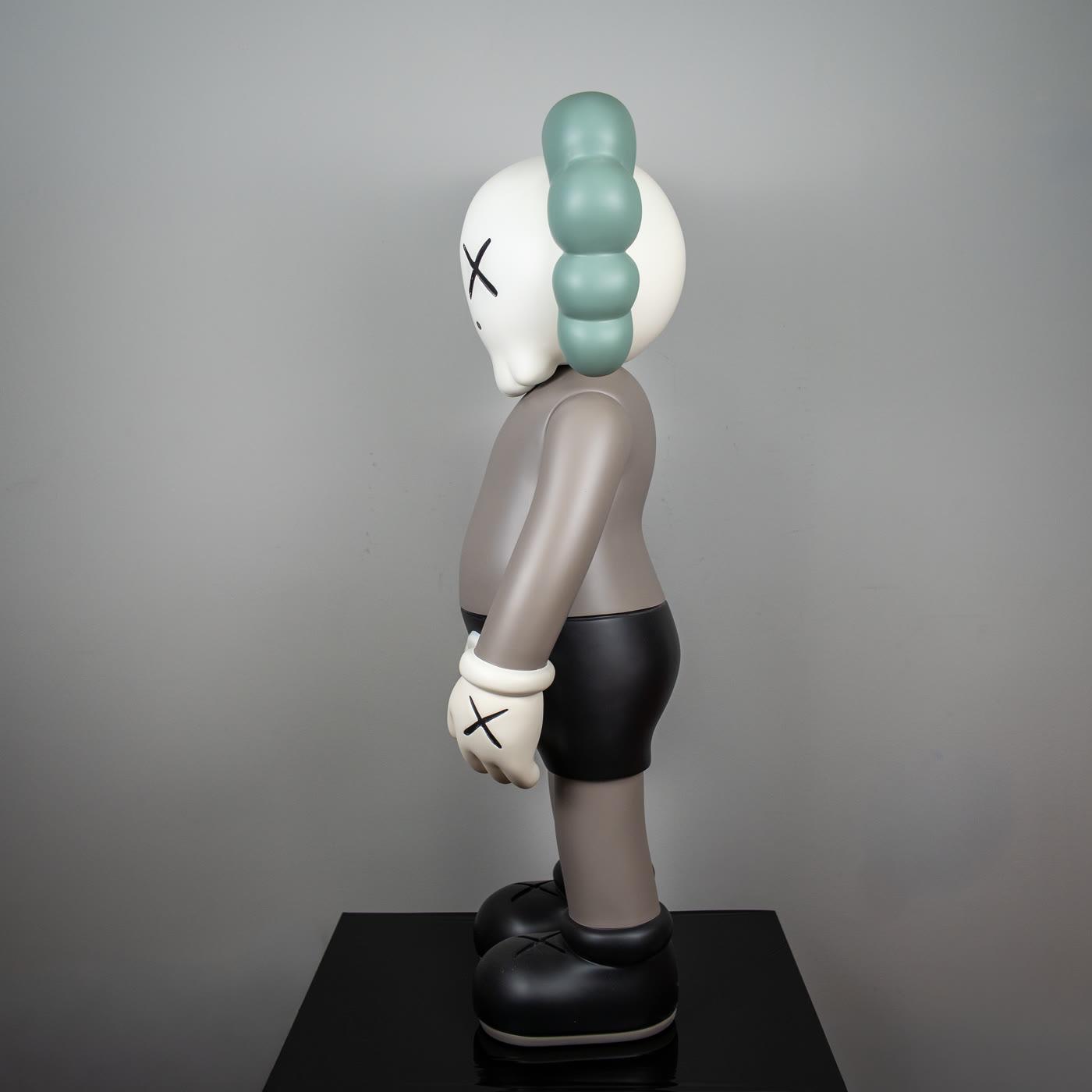
The Sage Companion is the open example at the scale of a room. Sage ears, a taupe body, black shorts, white gloves marked with X, and black boots. Light separates the parts, and the grammar holds as long as the ground stays plain. The figures at Popüler Sanat are finished collection objects that carry this language. Display is made with that honesty too. You do not build a museum case. You build a distance for looking. When the distance is built, a piece on the KAWS page finishes its own sentence. Your work is not to lengthen the sentence. It is to clear the way in front of it.